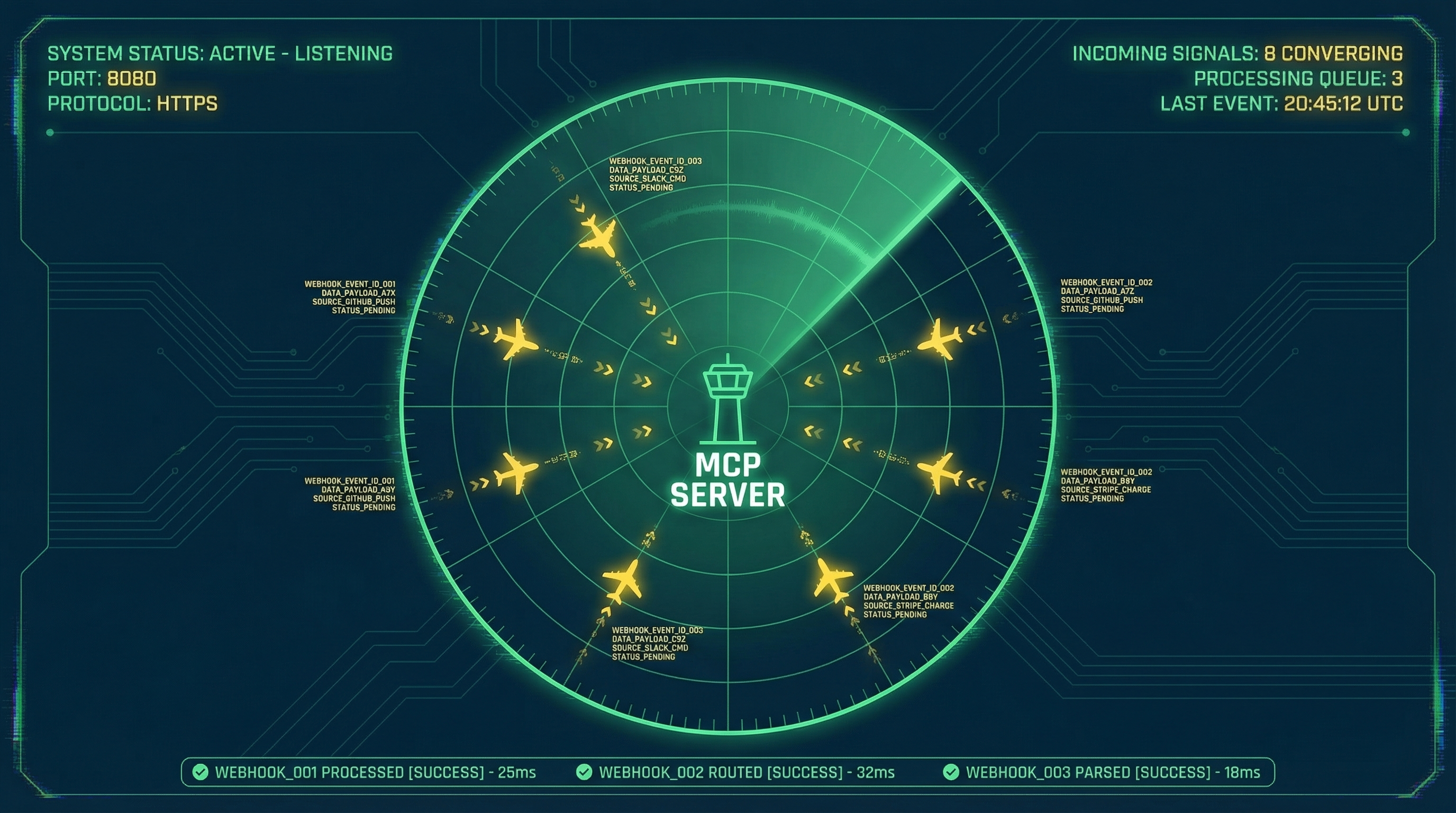
How to Add a Webhook Tool to Your MCP Server
By Alex Morgan
MCP tools are synchronous, but real-world agent workflows run on async events. Here's how to add a webhook tool to your MCP server so agents can listen without polling.
Clear operating guides for delivery reliability, incident response, and production-ready webhook systems.
MCP tools are synchronous, but real-world agent workflows run on async events. Here's how to add a webhook tool to your MCP server so agents can listen without polling.
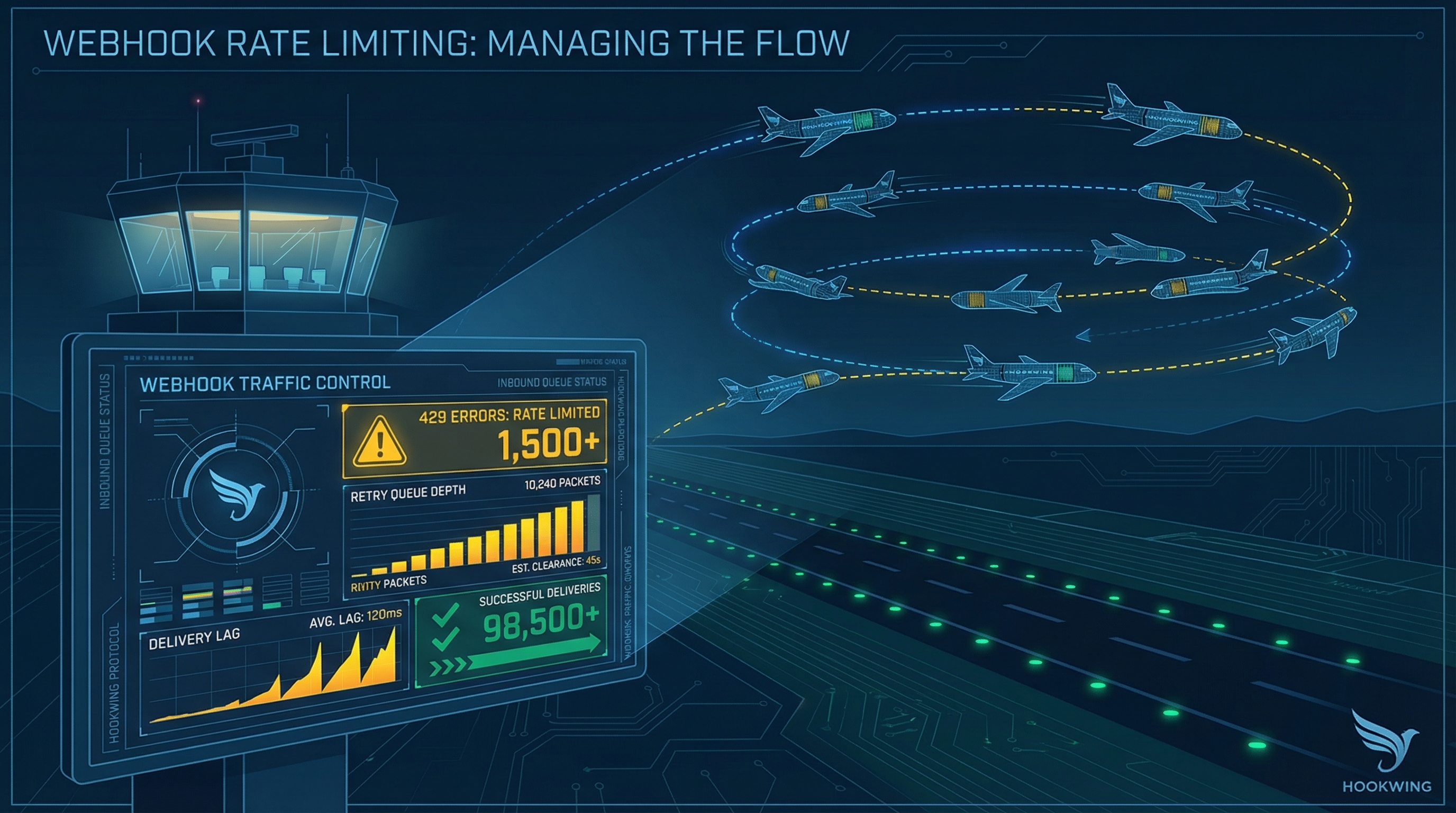
Rate limits are a two-sided problem in webhook systems. Here's how to handle 429s as a sender and protect your endpoint as a receiver, with practical patterns and code.
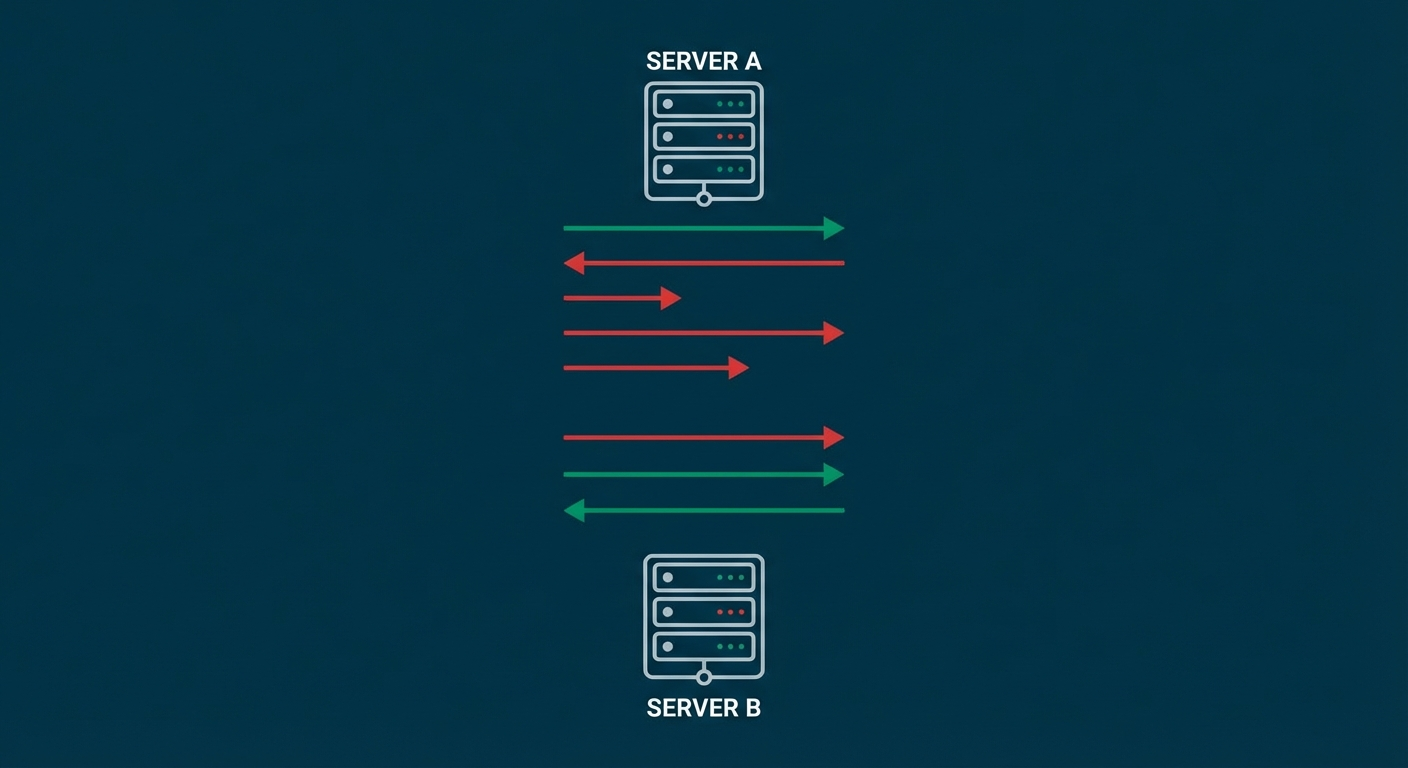
One incoming event, multiple consumers. Here's how webhook fan-out works, when you need it, and the patterns that hold up in production.
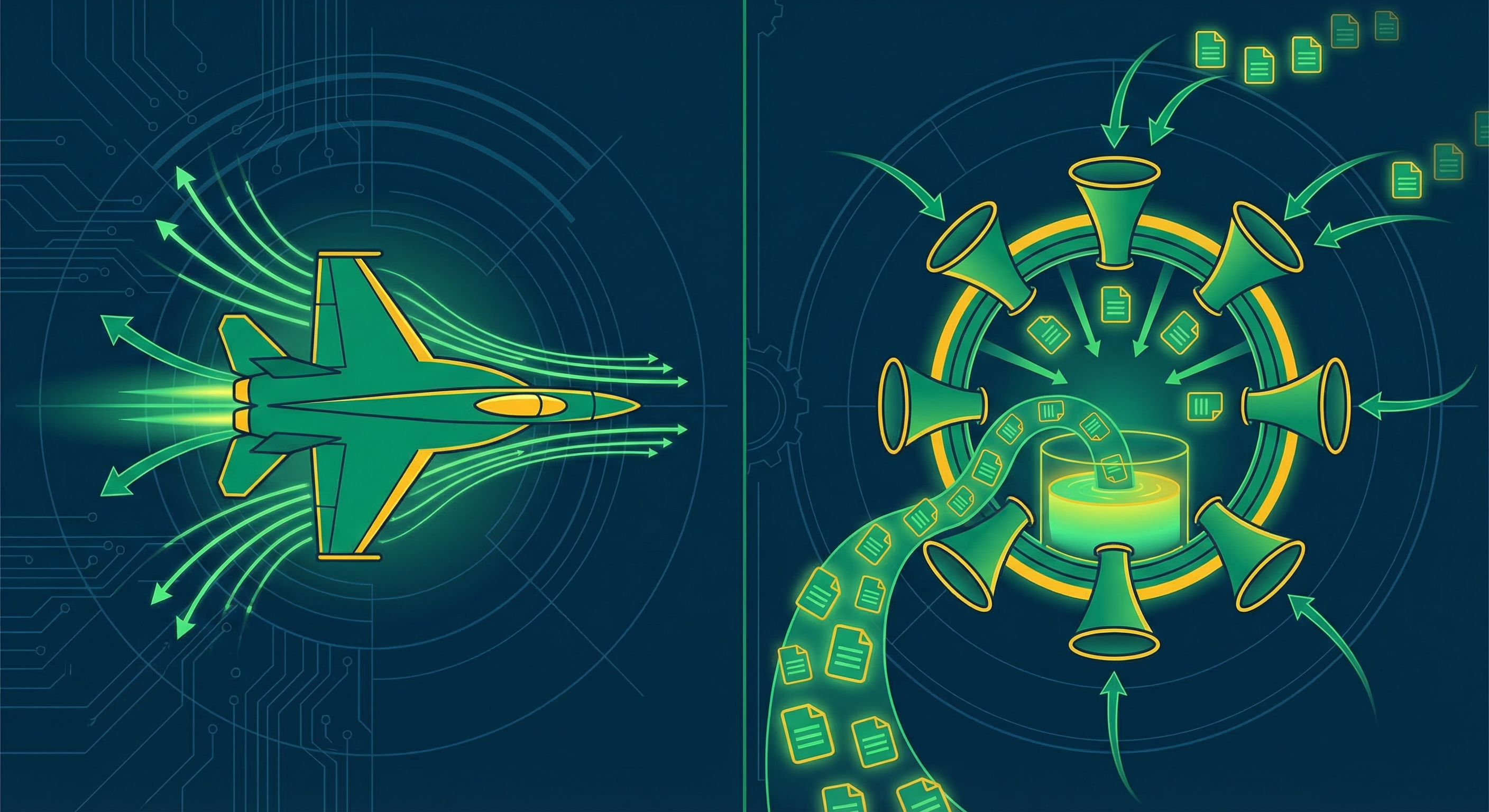
Webhooks push events to a URL. Event streams let consumers pull at their own pace. Neither is universally better. The choice depends on who consumes and how. Here's the practical decision framework.
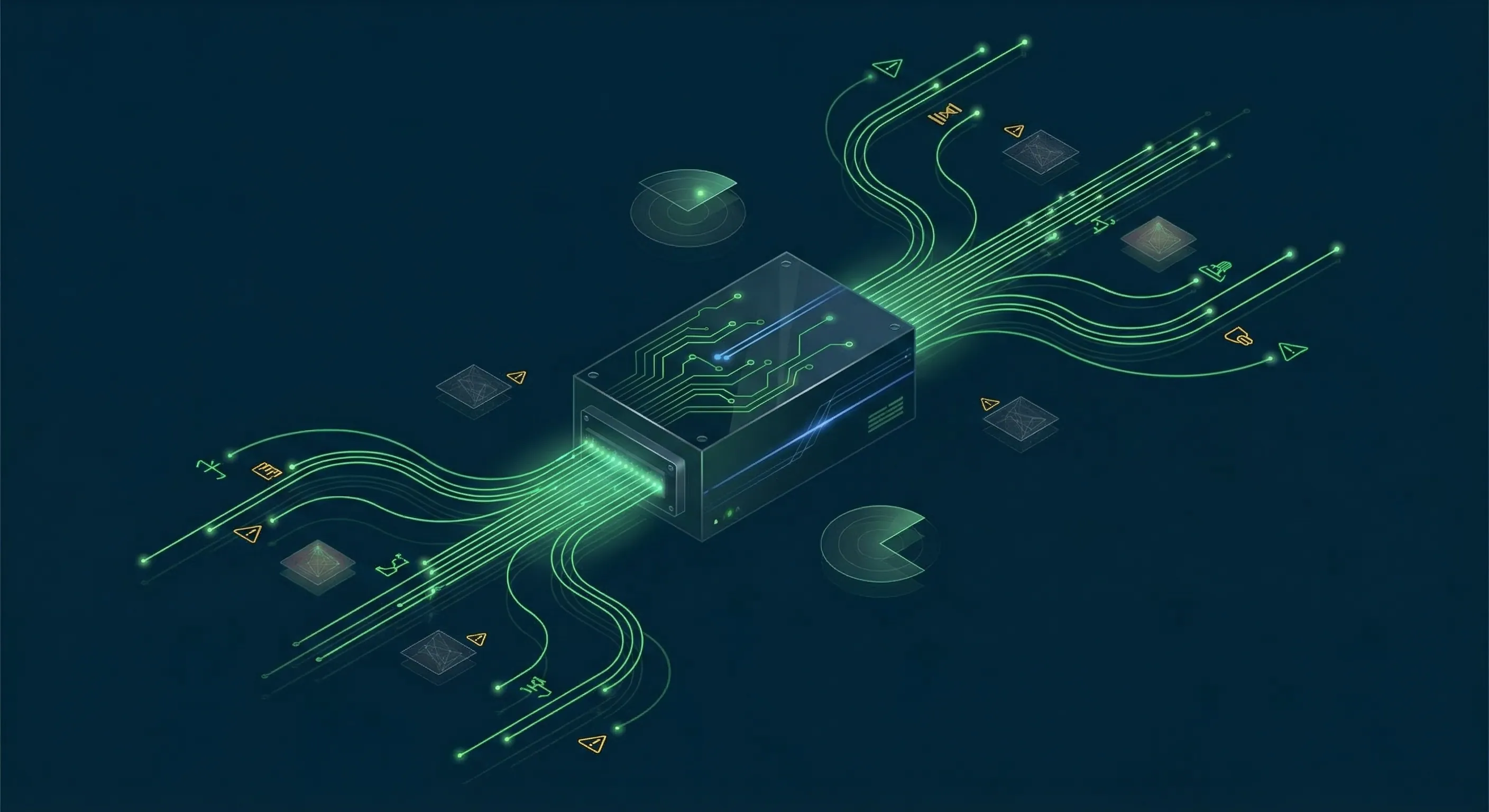
Webhooks fail silently, fire asynchronously, and vanish before you can inspect them. Here's a practical system for debugging webhook integrations in dev and production.
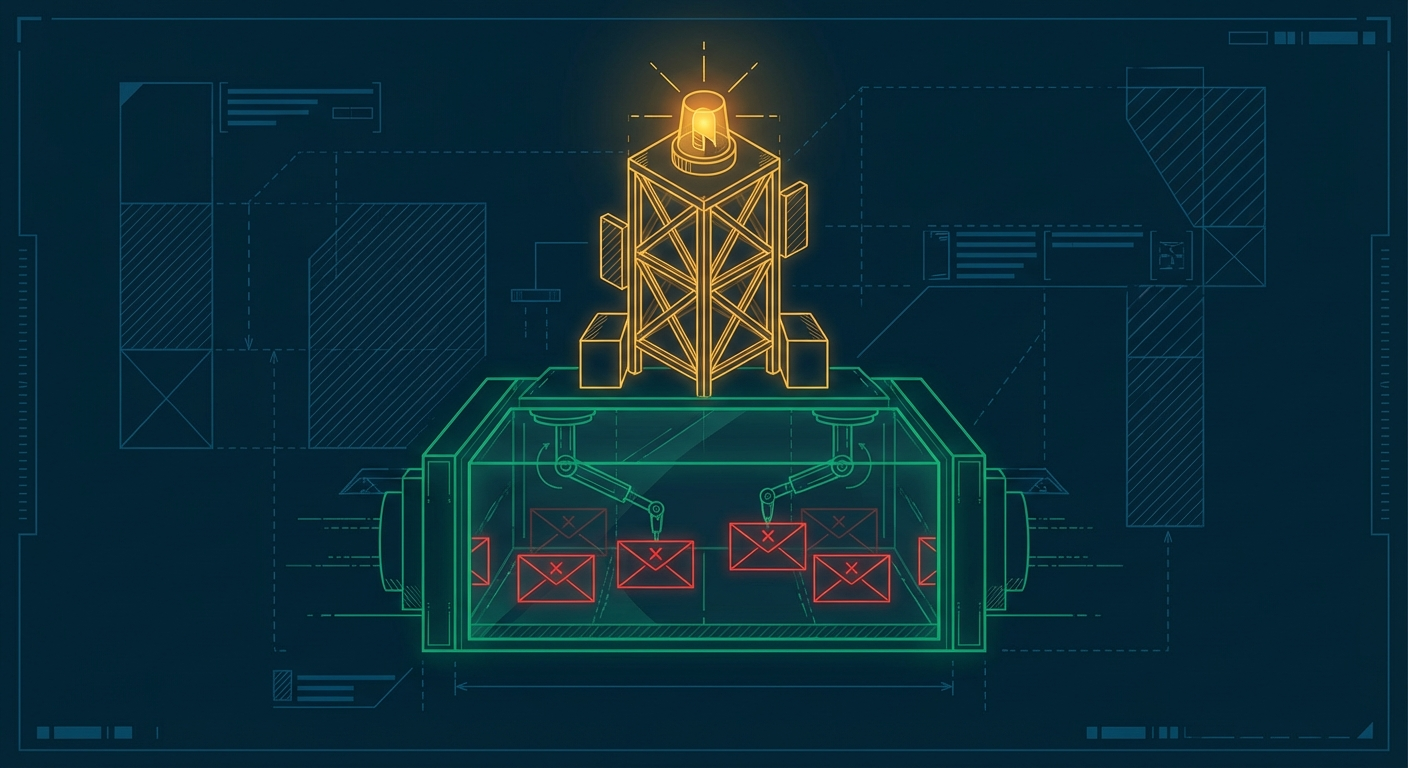
Retries handle transient failures. Dead letter queues handle everything else. How to build a DLQ that stores, alerts on, and replays failed webhook events.

Give your AI agent a webhook endpoint in minutes: one API call, five-line verification, and a simple routing loop. No dashboard, no boilerplate.

Webhook signature verification in plain terms: how HMAC-SHA256 works, a 10-line implementation, and the three mistakes that break it silently.
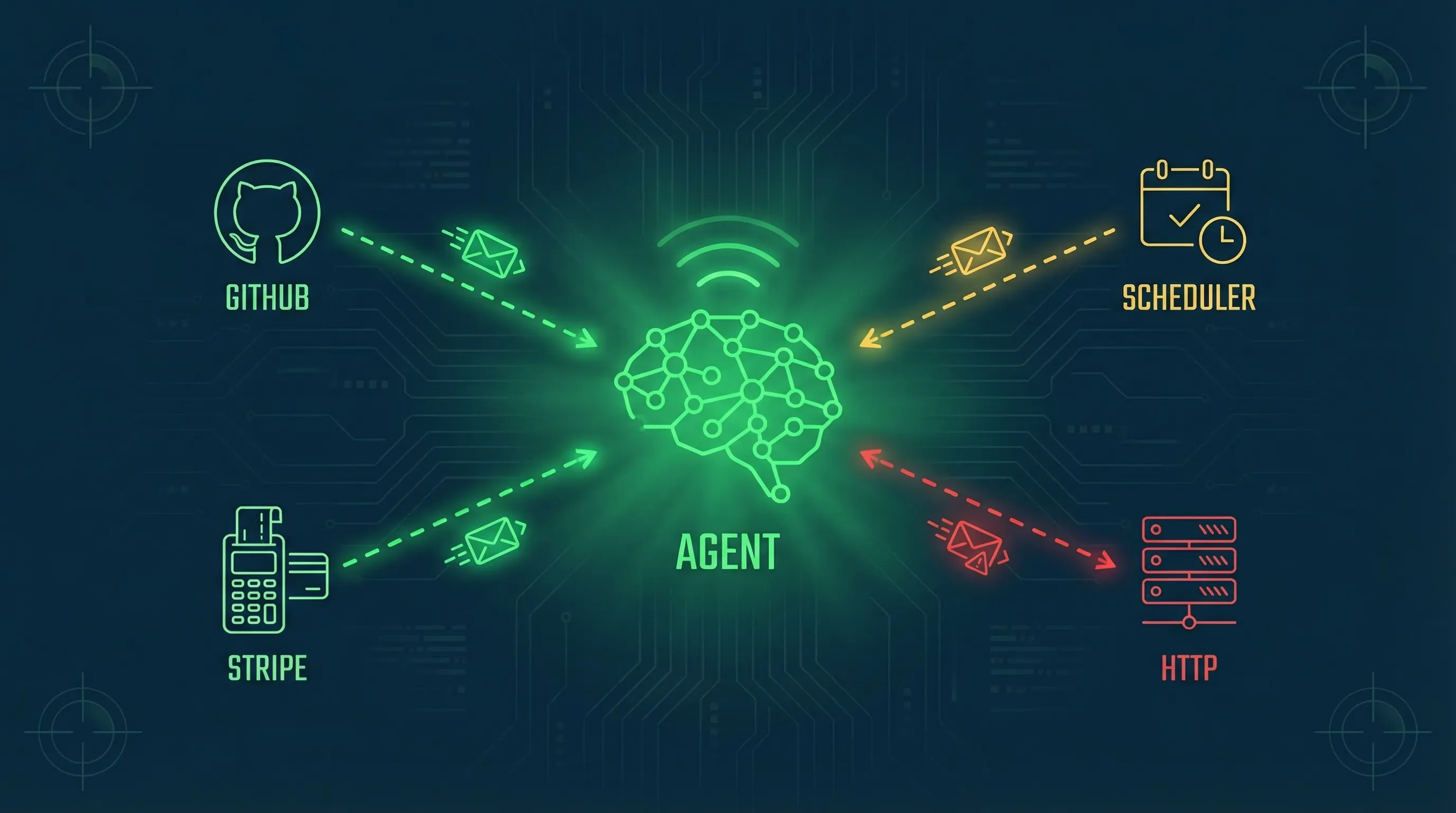
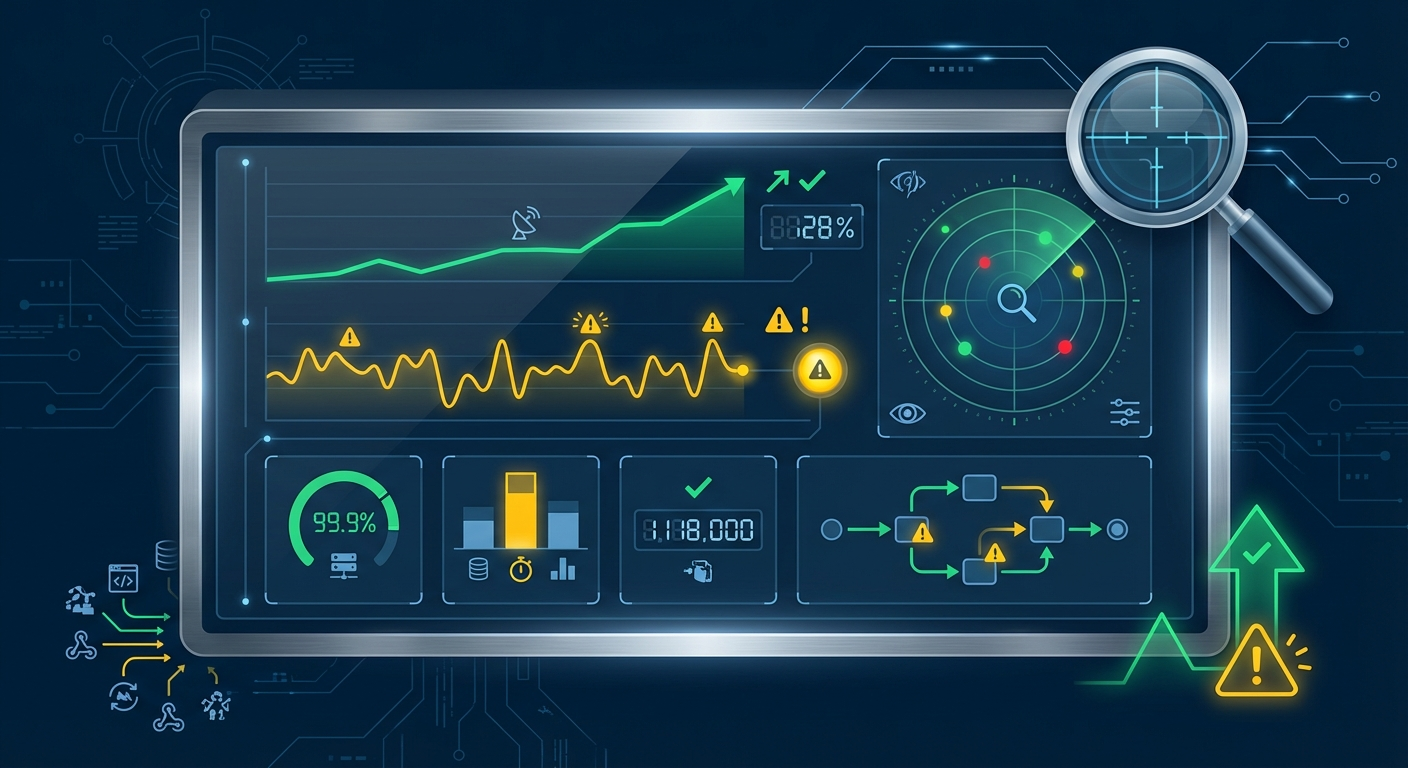
Practical observability for webhook systems. Which metrics to monitor, how to structure logs, exact alert thresholds, and debugging patterns that catch 80% of production issues.
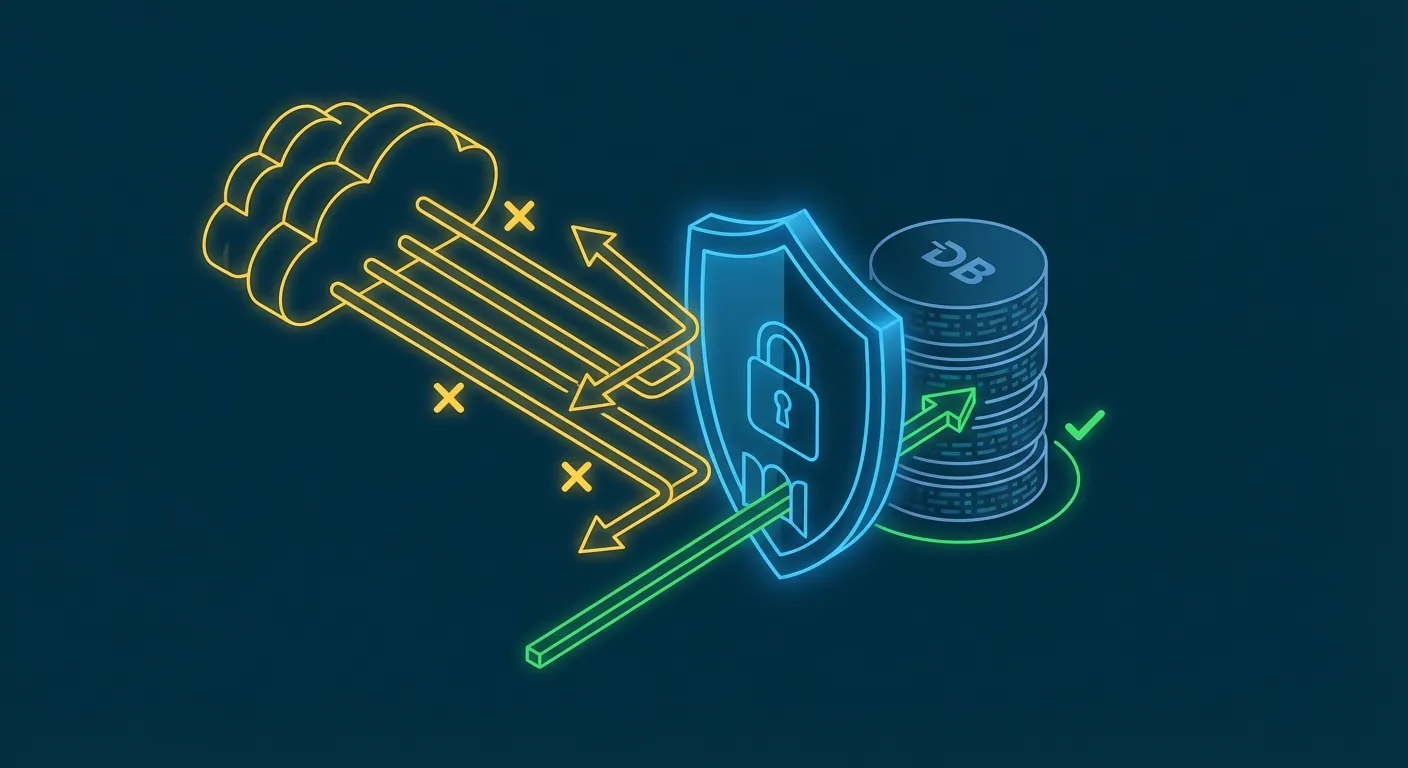
A practical, empowering checklist to prevent duplicate side effects and keep webhook consumers safe in production.
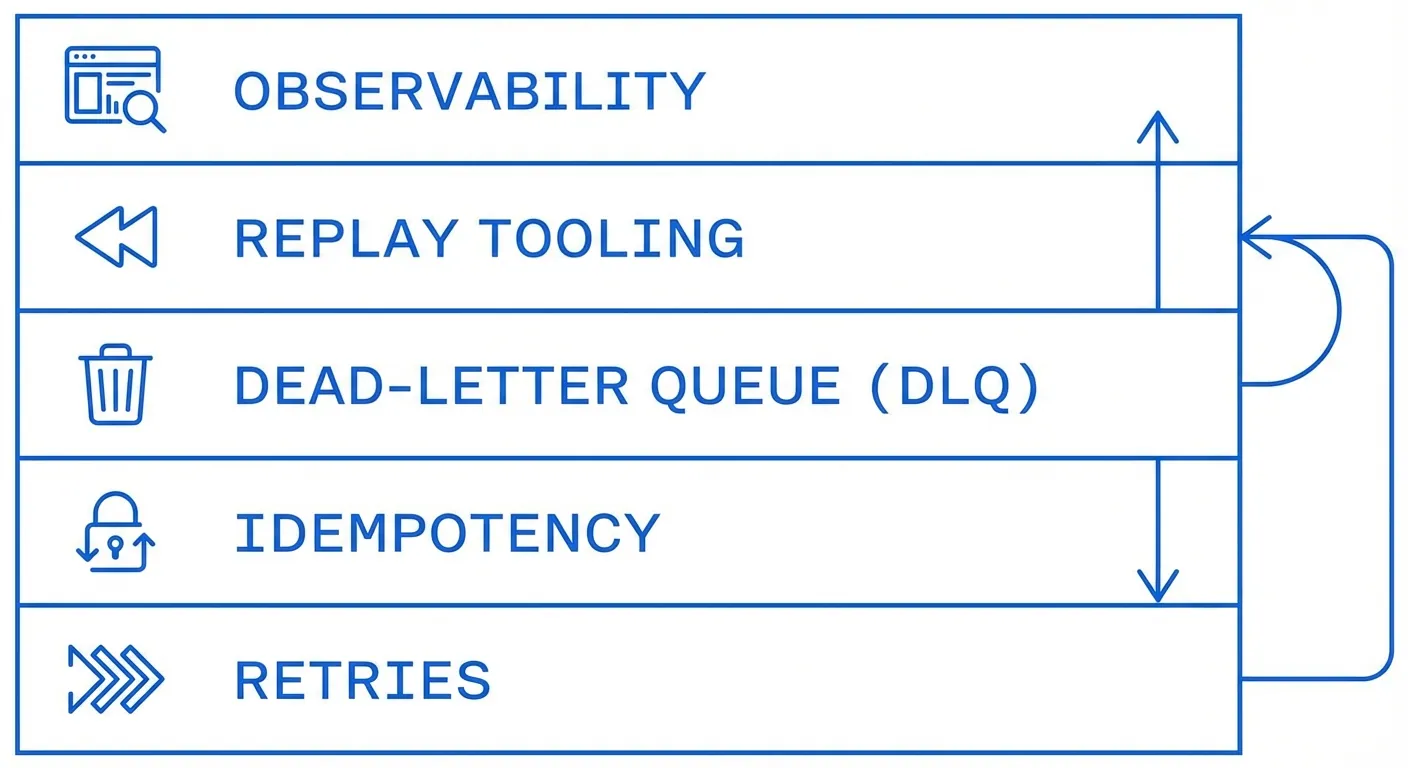
Retries help, but they are only one part of webhook reliability.
A practical deployment workflow for reviewing content updates safely before merge.